
BY DIGMA ZUBAIRU, FEBRUARY 12, 2026 | 08:33 PM
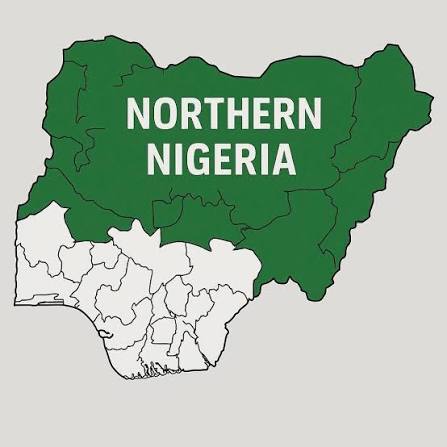
Northern Nigeria today stands at a critical crossroads. A region blessed with vast land, rich culture, resilient people, and deep historical roots now grapples with layers of challenges that threaten its stability and future. From insecurity to economic hardship, from political marginalization to internal disunity, the North faces predicaments that demand urgent reflection and responsible action.
One of the most pressing concerns is the seeming absence of a unified and credible spokesperson for the region. At various points in history, Northern Nigeria spoke with a collective voice—through respected elders, political leaders, and socio-cultural platforms that articulated common concerns while promoting unity. Today, however, the region appears fragmented.
Diverse interests and internal divisions have weakened its ability to project a coherent message on national matters. Without a coordinated voice, legitimate concerns risk being misunderstood, ignored, or politicized.
Compounding this challenge is the persistent insecurity that continues to bedevil the region. Insurgency, banditry, kidnapping, communal clashes, and other criminal activities have disrupted lives, displaced communities, and strained economic activities. Farmers are unable to cultivate safely; traders operate under fear; families mourn loved ones lost to violence. Despite the efforts of security agencies and state governments, the scale and complexity of these threats remain overwhelming. The North cannot thrive in an atmosphere where fear overshadows hope.
Another sensitive issue is the perception—rightly or wrongly—of selective intimidation of Northern personalities under allegations of corruption or links to terrorism. The fight against corruption and terrorism is essential for national survival and must be pursued without compromise. However, such efforts must also be transparent, evidence-based, and free from political bias. When actions are perceived as targeted or disproportionate, they breed distrust and deepen regional grievances. Justice must not only be done but must be seen to be done.
In light of these realities, there is a growing call for Northern platforms, pressure groups, and civil society organizations to rise above partisanship and speak firmly yet responsibly.
Advocacy should not be about confrontation but about constructive engagement. It should focus on development, security reform, economic revival, educational advancement, and social cohesion. The region needs voices that will demand accountability from its own leaders while also engaging the federal government with clarity and courage.
However, “freeing the North from aggression” must not translate into isolation or antagonism. Nigeria remains one indivisible nation, and progress in one region ultimately benefits all. The North’s revival should be pursued within the framework of national unity, constitutionalism, and mutual respect.
Regional advocacy must align with democratic principles and peaceful dialogue.
The path forward requires introspection as much as mobilization. Northern leaders must address internal governance failures, youth unemployment, educational gaps, and social vulnerabilities that criminals exploit.
Religious and traditional institutions must strengthen moral guidance and discourage extremism. The youth—who form the majority—must be empowered with opportunities rather than rhetoric.
Northern Nigeria does not lack strength; it lacks coordination. It does not lack voices; it lacks harmony. If platforms and pressure groups can unite around a common developmental agenda—security, justice, fairness, and prosperity—the region can reclaim its dignity and contribute more robustly to Nigeria’s growth.
The North deserves peace. It deserves fairness. It deserves development. But above all, it deserves responsible leadership and a unified voice.

Conflict Reporting is dangerous and risky. Our reporters constantly face life-threatening challenges, sometimes surviving ambushes, kidnap attempts and attacks by the whiskers as they travel and go into communities to get authentic and firsthand information. But we dare it every day, nonetheless, in order to keep you informed of the true situation of the victims, the trends in the conflicts and ultimately help in peace building processes. But these come at huge cost to us. We are therefore appealing to you to help our cause by donating to us through any of the following means. You can also donate working tools, which are even more primary to our work. We thank you sincerely as you help our cause.
Alternatively, you can also email us on
info@yen.ng or message us
via +234 803 931 7767
