
BY DIGMA ZUBAIRU, MARCH 06, 2026 | 09:48 PM
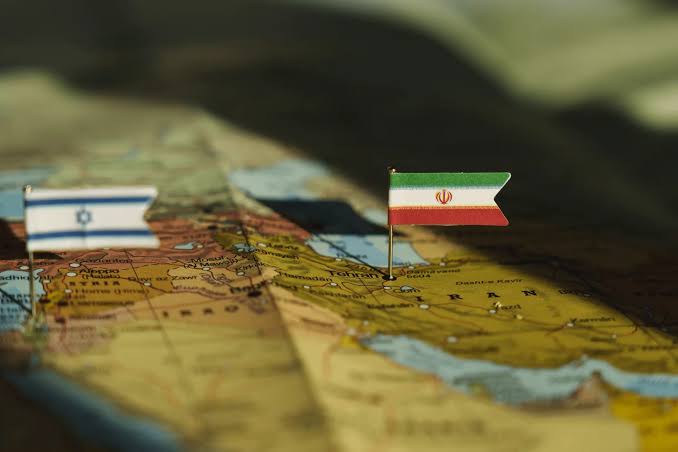
The growing discussion about Gulf States potentially withdrawing investments worth over $2 trillion from Western economies is not merely an economic decision; it reflects deep geopolitical tensions emerging from the ongoing conflict involving Iran, the policies of the United States, and the role played by Israel in the region. What is unfolding today may represent a turning point in relations between the Gulf monarchies and their long-standing Western partners.
For decades, countries such as Saudi Arabia, United Arab Emirates, Qatar, and Kuwait have been among the largest investors in Western economies. Their sovereign wealth funds have poured trillions of dollars into American and European industries, from technology and finance to infrastructure and energy.
These investments were part of a strategic partnership built on mutual security guarantees, economic cooperation, and regional stability.
However, recent developments in the Middle East have strained this relationship. The escalating conflict involving Iran has directly affected the Gulf region, threatening oil infrastructure, shipping routes, tourism, and broader economic stability. According to recent reports, Gulf leaders are increasingly frustrated that they are being drawn into a conflict they neither initiated nor fully support. As a result, some are reconsidering their overseas financial commitments.
Many observers in the region interpret this shift as a reaction to perceived betrayal by the United States. For years, Gulf states relied on Washington as their primary security partner. Yet, in the current crisis, some leaders believe that American policies have exposed them to direct risks while prioritizing strategic interests tied to Israel.
The perception of double standards has also intensified resentment. Critics argue that Western governments frequently promote international law and stability but appear to apply these principles selectively in the Middle East. When conflicts involve Israel, Gulf leaders and many observers claim that Western responses become inconsistent, undermining trust among regional allies.
This sentiment has strengthened calls within the Gulf for greater strategic independence. Rather than relying exclusively on Western alliances, these countries are increasingly exploring economic and political partnerships with emerging global powers such as China and Russia. Diversifying alliances is seen as a way to protect their economic interests and avoid being trapped in geopolitical rivalries.
If Gulf states significantly reduce or withdraw investments from Western markets, the consequences could be substantial. The United States and Europe have long benefited from Gulf capital flowing into banking systems, technology firms, real estate, and energy sectors. A sudden shift of trillions of dollars could unsettle financial markets and weaken Western economic leverage in global affairs.
Nevertheless, such a move would not necessarily collapse the American economy. The United States remains one of the world’s largest and most diversified economies. However, it could accelerate the decline of Western financial dominance and strengthen the emergence of a more multipolar world order.
Ultimately, the debate over Gulf investments highlights a deeper issue: the fragile nature of alliances built primarily on strategic convenience. If Gulf states conclude that their security and political interests are no longer aligned with those of Washington, economic disengagement may become one of the most powerful tools available to signal their dissatisfaction.
What is unfolding today is therefore more than a financial adjustment—it may be the beginning of a major geopolitical realignment in the Middle East and beyond.
Digma Zubairu is a Commentator and Digital Creator.

Conflict Reporting is dangerous and risky. Our reporters constantly face life-threatening challenges, sometimes surviving ambushes, kidnap attempts and attacks by the whiskers as they travel and go into communities to get authentic and firsthand information. But we dare it every day, nonetheless, in order to keep you informed of the true situation of the victims, the trends in the conflicts and ultimately help in peace building processes. But these come at huge cost to us. We are therefore appealing to you to help our cause by donating to us through any of the following means. You can also donate working tools, which are even more primary to our work. We thank you sincerely as you help our cause.
Alternatively, you can also email us on
info@yen.ng or message us
via +234 803 931 7767
